

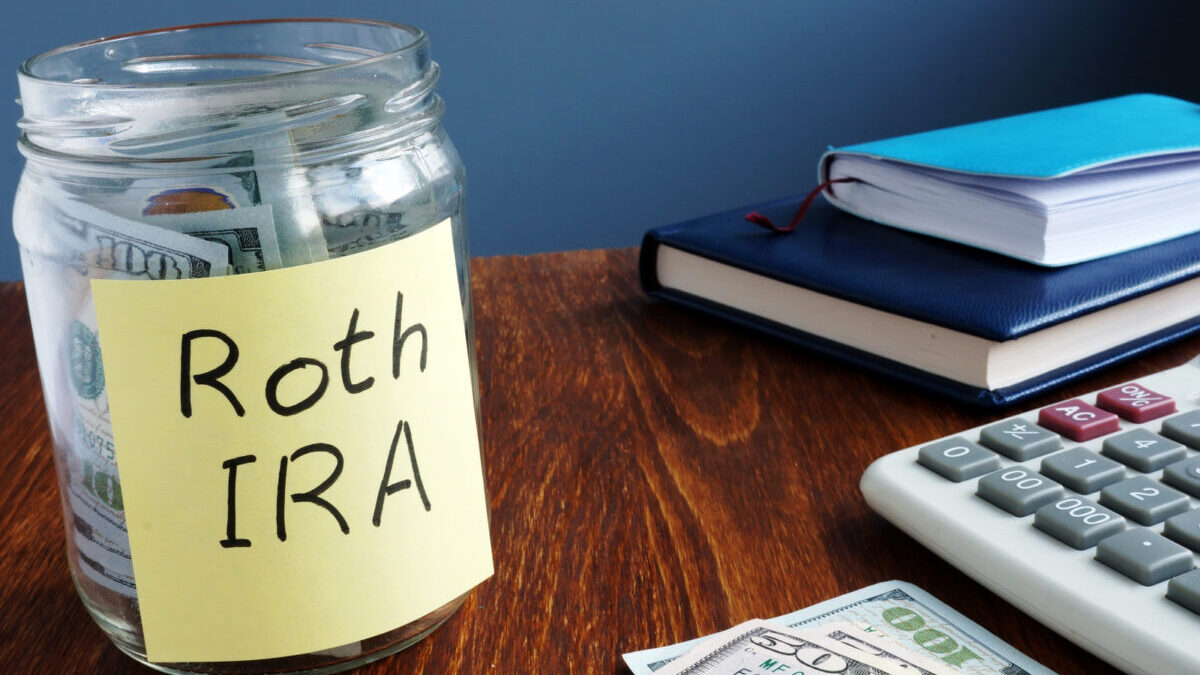
Retirement planning is an important part of financial security. Roth IRA conversions are one of the best ways to maximize your retirement savings and ensure a comfortable future.
A Roth IRA conversion allows you to convert traditional pre-tax dollars into after-tax dollars, which can provide significant tax savings in the long run. In this article, we’ll discuss how to make the most out of your retirement savings by taking advantage of Roth IRA conversions. We’ll look at the benefits and drawbacks associated with these types of accounts, as well as strategies for making sure you get the most out of your investments.
This article will discuss Roth IRA conversion rules and withdrawal rules to help you make the most of your retirement savings.
What Is a Roth IRA?
A Roth IRA is an individual retirement account that allows you to save money for retirement on a tax-advantaged basis. Contributions are made with after-tax dollars, meaning you pay taxes on them now rather than when you withdraw them in retirement. Earnings grow tax-free, and qualified withdrawals are also free from taxation.
Roth IRA Conversion Rules
You can convert funds from other types of accounts into a Roth IRA without incurring any taxes or penalties as long as certain conditions are met:
• You must be at least 59 ½ years old or have had the account open for five years or more.
• The funds must come from an eligible account such as a traditional IRA, 401(k), 403(b), 457(b) plan, SEP-IRA or SIMPLE-IRA.
• The converted amount must be reported as taxable income in the year it was converted.
• You cannot convert more than your total taxable income for that year.
• Any earnings on the converted amount will not be taxed until they are withdrawn in retirement.
Roth IRA Withdrawal Rules
When it comes time to withdraw funds from your Roth IRA, there are some important rules to keep in mind:
• Qualified distributions – These include contributions (not including earnings) that were made after age 59 ½ or after five years have passed since opening the account (whichever comes first). These distributions are not subject to taxes or penalties.
• Nonqualified distributions – These include earnings withdrawn before age 59 ½ or before five years have passed since opening the account (whichever comes first). They may be subject to taxes and/or penalties depending on how long they’ve been held in the account.
• Required minimum distributions – If you’re over 70 ½ years old, you’ll need to start taking required minimum distributions each year based on IRS guidelines.
• Early withdrawal penalty – If you take out money before age 59 ½ (other than qualified distributions), there may be an additional 10% penalty imposed by IRS regulations.
How Can I Make The Most Of My Retirement Savings?
There are several strategies that can help maximize your returns when investing for retirement:
• Start early – The earlier you start saving for retirement, the more time your investments have to grow over time due to compounding interest rates;
• Contribute regularly – Regular contributions allow your investments more time to compound over time which can lead to greater returns down the road;
• Diversify investments – Investing across different asset classes such as stocks, bonds and cash can help reduce risk while still providing potential growth opportunities;
• Take advantage of employer match programs – Many employers offer matching contributions up through certain limits which can significantly increase overall savings amounts over time if taken advantage of regularly.
In conclusion, Retirement planning is essential for financial security during one’s golden years. A popular option among many investors is a Roth Individual Retirement Account (IRA). Understanding conversion rules and withdrawal rules associated with this type of investment vehicle can help ensure maximum returns when investing for one’s future needs. By following these tips along with starting early and contributing regularly one should find themselves well prepared financially to come their golden years!