

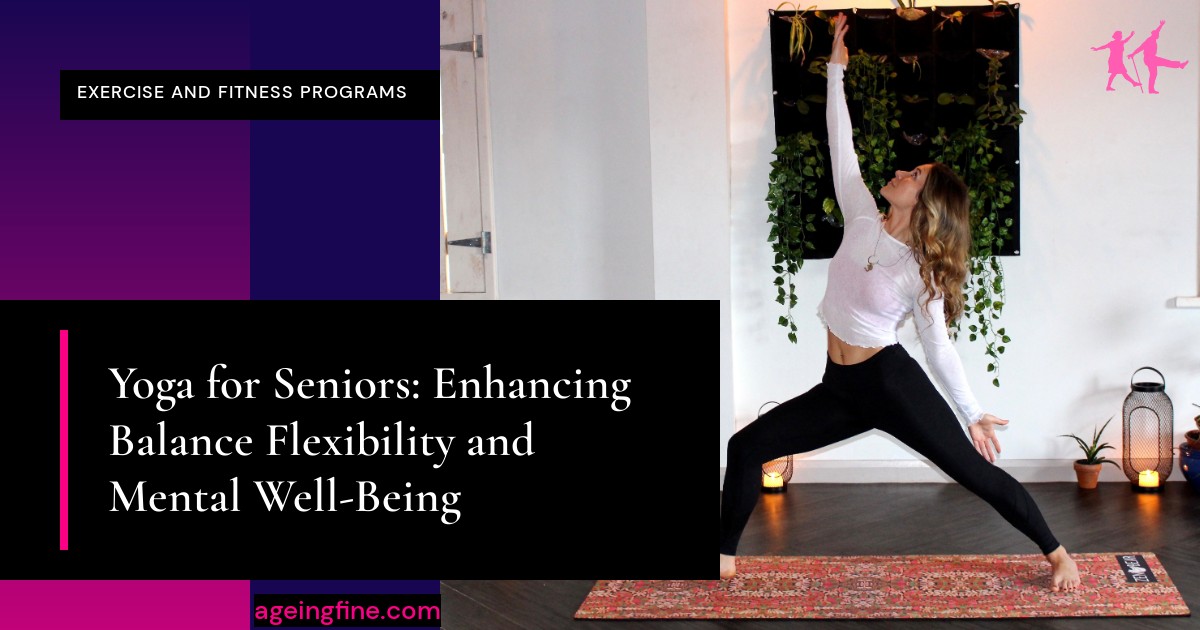
Yoga has become increasingly popular among people of all ages, and for good reason. This ancient practice offers a multitude of physical and mental benefits, making it an ideal form of exercise for seniors. As we age, maintaining balance, flexibility, and mental well-being becomes even more crucial for our overall health and quality of life. In this comprehensive article, we will explore the many ways in which yoga can benefit seniors, as well as provide tips and precautions for incorporating yoga into daily life. So, if you’re a senior looking to enhance your physical and mental well-being, keep reading to learn more about yoga for seniors.
Overview of Yoga for Seniors
Yoga is a mind-body practice that originated in ancient India and has been adopted by people all over the world for its numerous benefits. The practice typically involves physical postures (asanas), breathing techniques, and meditation. For seniors, yoga offers a low-impact and gentle form of exercise that can be easily modified to suit individual needs and abilities.
Benefits of Yoga for Seniors
The benefits of yoga for seniors are numerous and encompass both physical and mental well-being. Some of the most notable benefits include:
- Improved balance
- Increased flexibility
- Promoted mental well-being
- Reduced stress and anxiety
- Adaptability for individual needs and abilities
Enhancing Balance
Balance is a crucial aspect of physical health, especially for seniors who may be at a higher risk of falls and injuries. Yoga offers a variety of poses and techniques that can help improve balance in seniors.
Improving Balance through Yoga Poses
Many yoga poses require a strong sense of balance, making them ideal for seniors looking to improve their stability. Poses such as Tree (Vrikshasana) and Warrior III (Virabhadrasana III) challenge the body to find its center of gravity, helping to improve balance and coordination.
Incorporating Balance Challenges in Yoga Practice
In addition to specific poses, incorporating balance challenges into a yoga practice can also help improve balance in seniors. This can include incorporating balance boards or standing on one leg during certain poses for an added challenge.
Increasing Flexibility
As we age, our muscles and joints can become stiffer, making it difficult to perform daily tasks and activities. Yoga can help improve flexibility and range of motion in seniors, making everyday movements easier and reducing the risk of injury.
ALSO READ
Stretching and Flexibility in Yoga
Yoga poses often involve stretching and lengthening the muscles, helping to improve flexibility and range of motion. Regular practice can also help reduce stiffness and joint pain in seniors.
Specific Yoga Poses for Flexibility
Some yoga poses are particularly beneficial for increasing flexibility in seniors. These include poses such as Cobra (Bhujangasana) and Downward-Facing Dog (Adho Mukha Svanasana), which target the muscles in the back and legs, respectively.
Promoting Mental Well-Being
Yoga is not just a physical practice – it also offers numerous benefits for mental well-being. This is especially important for seniors who may be dealing with stress, anxiety, or other mental health concerns.
ALSO READ
Mindfulness and Meditation in Yoga
The focus on breath and present-moment awareness in yoga can help seniors cultivate mindfulness and reduce stress and anxiety. The practice of meditation, often incorporated into yoga classes, can also promote a sense of calm and relaxation.
Reducing Stress and Anxiety through Yoga Practice
Regular yoga practice has been shown to reduce levels of stress and anxiety in seniors, making it an effective tool for promoting mental well-being. The combination of physical movement, breathwork, and mindfulness can help seniors feel more grounded and at ease.
Modifications for Seniors
While yoga can offer many benefits for seniors, it’s important to approach the practice with caution and make modifications as needed to ensure safety and comfort. Some tips for adapting yoga poses for seniors include:
- Using props for support and stability
- Reducing the intensity or duration of poses
- Taking breaks as needed
- Listening to the body and not pushing beyond comfortable limits
Adapting Yoga Poses for Seniors
As we age, our bodies may not be able to move in the same ways they once could. It’s important for seniors to listen to their bodies and make modifications as needed to avoid injury. This can include using props such as blocks or straps to support the body in poses, or modifying poses by using a chair for added stability.
Using Props for Support and Safety
Props such as blocks, straps, and blankets can be extremely helpful for seniors in maintaining balance and stability during yoga practice. These tools can also help reduce strain on the body and prevent injury.
Precautions and Safety Measures
While yoga can offer numerous benefits for seniors, it’s important to take precautions and practice safely. Some tips for seniors include:
- Consulting with a doctor before starting yoga (especially if dealing with any health concerns)
- Being aware of any physical limitations and adapting the practice accordingly
- Avoiding overexertion and listening to the body
Consulting with a Doctor before Starting Yoga
Before starting a new exercise routine, it’s always a good idea for seniors to consult with their healthcare provider. This is especially important for seniors with any pre-existing health conditions or injuries.
Avoiding Injury during Yoga Practice
While yoga is generally a safe and low-impact form of exercise, seniors should still be mindful of their bodies and avoid pushing themselves too hard. It’s important to listen to the body and make modifications as needed to avoid injury.
Finding the Right Yoga Class
Not all yoga classes are created equal, and it’s important for seniors to find a class that is right for them. Some tips for finding a senior-friendly yoga class include:
- Looking for classes specifically designed for seniors
- Choosing a gentle or restorative yoga class
- Communicating with the instructor about any physical limitations or concerns
Senior-Friendly Yoga Classes
Many yoga studios offer classes specifically designed for seniors or offer modifications for older individuals. These classes are often slower-paced and focus on gentle movements and relaxation.
Online Resources for Senior Yoga Practice
For seniors who may not have access to a local yoga studio, there are also many online resources available for practicing yoga at home. These can include instructional videos or classes specifically designed for seniors.
Incorporating Yoga into Daily Life
In order to reap the full benefits of yoga, it’s important for seniors to incorporate it into their daily lives. This can involve practicing yoga at home or finding ways to incorporate yoga principles into everyday activities.
Incorporating Yoga into Daily Routine
Even just a few minutes of yoga practice each day can have a positive impact on a senior’s physical and mental well-being. This can include gentle stretches in the morning or a short meditation before bedtime.
Making Yoga a Sustainable Practice for Seniors
It’s important for seniors to find a sustainable and enjoyable yoga practice that they can continue to incorporate into their lives. This may involve trying different types of yoga or finding a supportive and welcoming yoga community.
Conclusion
Yoga offers numerous benefits for seniors, including enhancing balance, increasing flexibility, and promoting mental well-being. By making appropriate modifications and practicing safely, seniors can enjoy the many physical and mental rewards of a regular yoga practice. Remember to always listen to your body and consult with a healthcare provider before starting any new exercise routine. With the right precautions and approach, yoga can be a sustainable and enjoyable form of exercise for seniors of all ages and abilities.
RELATED ARTICLES: